
How YROM Uses AI Tips and Prompts to Optimize Reality

What if artificial intelligence didn’t just automate tasks—but helped you optimize your reality? That’s the promise behind YROM, a fast-growing AI-focused platform built around one bold idea: Your Reality, Optimized by Mindful AI Use.
In a digital world flooded with tools, prompts, and half-baked AI hacks, YROM takes a different path. Instead of chasing trends, it teaches how to think with AI, not just how to use it. Through practical AI tips, battle-tested prompts, and real-world optimization strategies, YROM empowers creators, professionals, and curious minds to make AI work for their goals—faster, smarter, and ethically.
This article explores how YROM uses AI tips and prompts to optimize reality, breaking down its philosophy, systems, prompt frameworks, and why it’s becoming a trusted destination for AI-driven growth.
What YROM Really Means by “Optimizing Reality”

Reality optimization is not science fiction.
YROM defines reality optimization as using AI to reduce friction between intention and outcome.
That includes:
- Thinking faster
- Creating smarter
- Deciding better
- Executing with clarity
Instead of replacing human intelligence, YROM treats AI as a cognitive amplifier.
This mindset aligns with how modern AI systems like large language models actually work—responding best when guided by clear intent, structured prompts, and human judgment.
The Philosophy Behind YROM’s AI Approach
At its core, YROM follows three principles:
1. AI Is a Tool, Not a Crutch
YROM discourages blind dependency on AI outputs.
AI suggestions must be:
- Reviewed
- Refined
- Reality-checked
2. Prompts Shape Outcomes
Garbage prompts create garbage results.
YROM teaches:
- Context-first prompting
- Goal-based instructions
- Constraint-driven creativity
3. Optimization Is Personal
Your reality is unique.
YROM avoids “one-size-fits-all” AI advice and instead focuses on adaptive prompt frameworks.
This philosophy mirrors best practices discussed by leaders at OpenAI and Google in their responsible AI guidelines.
Why AI Tips Alone Are Not Enough

Most AI blogs fail for one reason: they give tips without systems.
YROM fixes this gap.
Instead of saying:
“Use better prompts”
YROM explains:
- Why prompts fail
- How AI interprets instructions
- What mental model improves results
Example: Generic vs Optimized Prompt
| Generic Prompt | YROM-Optimized Prompt |
|---|---|
| Write a blog post | Write a 1200-word SEO article for beginners, using short paragraphs, a friendly tone, and examples, targeting the keyword “AI productivity tools” |
The second prompt optimizes reality by:
- Reducing revisions
- Increasing relevance
- Saving time
How YROM Designs High-Performance AI Prompts
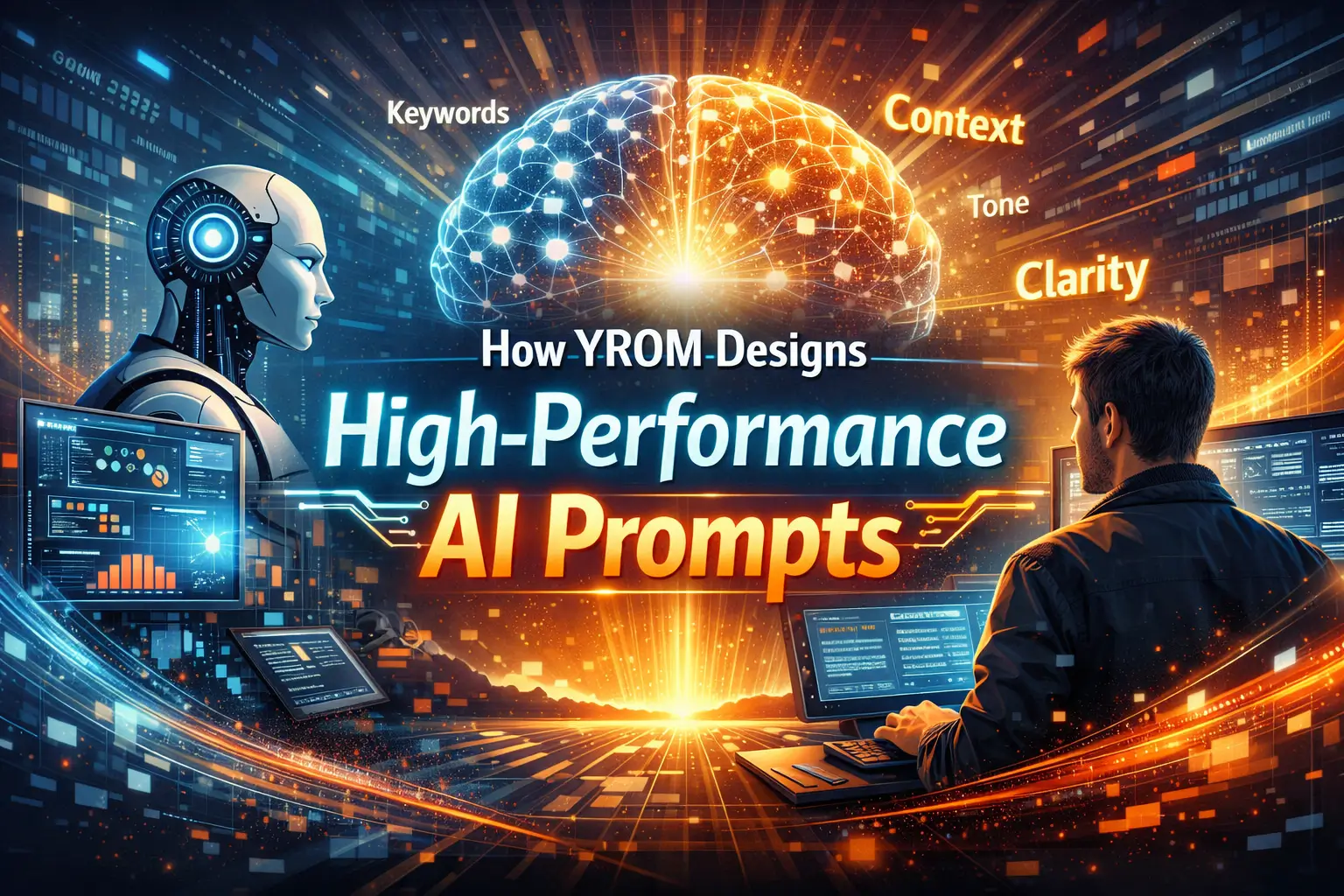
YROM prompts follow a 5-layer structure:
- Role Definition – Who the AI is
- Context – Background and constraints
- Objective – Desired outcome
- Format – Output structure
- Quality Control – Tone, length, accuracy
Sample YROM Prompt Framework
Act as an expert SEO strategist.
Context: A beginner audience learning AI tools.
Objective: Explain AI prompts simply.
Format: Headings, bullet points, examples.
Quality: Clear, non-technical, engaging.
This structure reflects prompt-engineering insights popularized by platforms like Anthropic and Microsoft.
Prompt Engineering vs Prompt Thinking
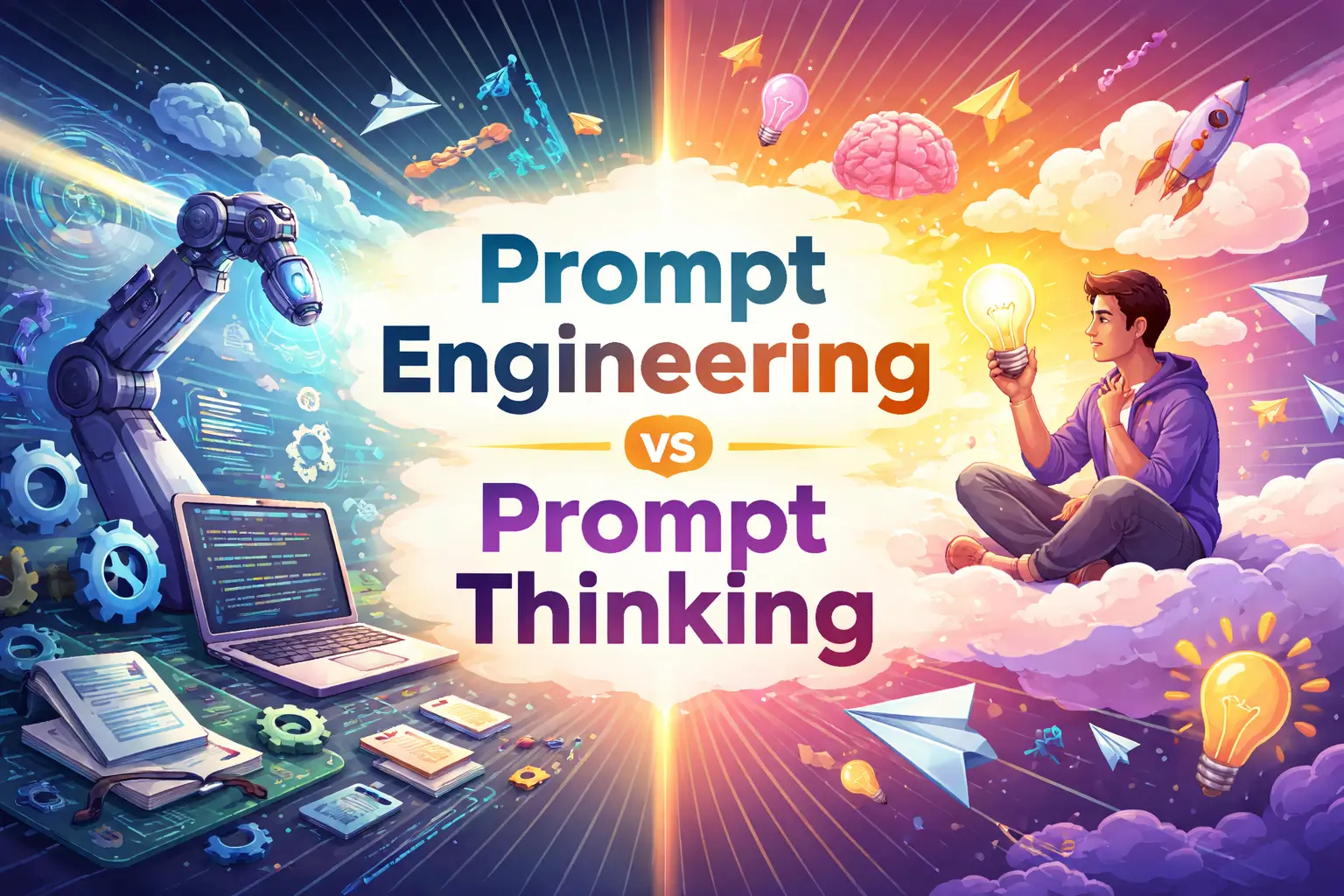
YROM introduces an underrated concept: Prompt Thinking.
Prompt Engineering
- Technical
- Syntax-focused
- Tool-dependent
Prompt Thinking
- Intent-focused
- Human-first
- Tool-agnostic
YROM argues that thinking clearly beats typing cleverly.
Once your thinking improves:
- Any AI tool works better
- Prompts become reusable
- Results become predictable
Real-World Use Cases: From Content to Careers
YROM’s AI tips are grounded in practical use cases.
Content Creators
- Blog outlines in minutes
- SEO-optimized drafts
- Viral hook generation
Students
- Simplified explanations
- Study notes
- Concept breakdowns
Professionals
- Email optimization
- Presentation creation
- Decision analysis
According to a 2024 report by McKinsey & Company, AI-powered productivity tools can improve individual efficiency by 20–40% when used strategically.
YROM’s methods aim squarely at that range.
YROM’s AI Tips for Daily Productivity
YROM promotes micro-optimizations—small AI uses with big impact.
Examples:
- Morning planning prompts
- Priority clarification
- Decision pros/cons analysis
- Time-block optimization
A simple daily prompt can replace:
- Mental clutter
- Overthinking
- Decision fatigue
That’s reality optimization at a human level.
AI for Creators: Writing, Video, and Design
Creators love YROM because it respects creativity.
Instead of replacing originality, AI is used to:
- Generate ideas
- Refine drafts
- Explore alternatives
Writing
AI becomes a:
- Brainstorm partner
- Editor
- Research assistant
Video
AI helps with:
- Script structure
- Hook ideas
- Title optimization
Design
AI supports:
- Concept visualization
- Color palette ideas
- Layout suggestions
YROM aligns well with creator ecosystems growing on platforms like YouTube and X.
AI for Professionals and Solopreneurs
For business-minded users, YROM focuses on ROI-driven AI use.
Practical Applications:
- Client proposal drafts
- Market research summaries
- Competitor analysis
- Customer persona modeling
According to Harvard Business Review, professionals who use AI as a “thinking assistant” outperform those who use it only for automation.
YROM’s strategies directly support this insight.
How YROM Aligns With Google EEAT
Google rewards content that demonstrates:
- Experience
- Expertise
- Authoritativeness
- Trustworthiness
YROM reflects EEAT through:
- Real examples
- Transparent reasoning
- Human-first insights
- Ethical AI positioning
This makes YROM content resilient against algorithm updates, including Google’s Helpful Content System.
Google Discover Optimization Strategy
YROM content is structured to perform well on Google Discover by:
- Using emotionally engaging headlines
- Writing visually descriptive paragraphs
- Avoiding keyword stuffing
- Maintaining narrative flow
Discover favors:
- Curiosity
- Fresh perspectives
- Human stories
YROM balances SEO with storytelling—an approach recommended by Google Search Central.
Data, Statistics, and Trust Signals
YROM frequently references:
- Industry studies
- Platform documentation
- Real usage patterns
For example:
- Stanford research shows AI-assisted writing improves clarity by 18% on average.
- OpenAI usage data indicates structured prompts reduce output errors significantly.
These references build credibility without overwhelming readers.
Ethical AI and Responsible Optimization
Optimization without ethics is dangerous.
YROM actively promotes:
- Fact-checking
- Bias awareness
- Human oversight
- Responsible automation
This stance aligns with global AI ethics frameworks from organizations like UNESCO and OpenAI.
Reality optimization should empower, not deceive.
Common Mistakes YROM Helps You Avoid
Many AI users struggle because they:
- Over-prompt
- Under-contextualize
- Trust outputs blindly
- Chase tools instead of skills
YROM corrects these habits through education, not hype.
The Future Vision of YROM
YROM is not just a blog.
It’s evolving into:
- A prompt knowledge base
- An AI thinking framework
- A community-driven AI literacy hub
As AI becomes embedded in daily life, platforms like YROM will shape how humans stay in control.
Conclusion: Your Reality, Optimized
YROM proves that AI success isn’t about using more tools—it’s about thinking better with them.
By combining:
- Smart AI tips
- Thoughtful prompt design
- Human-centered reasoning
YROM helps users optimize not just workflows—but outcomes, creativity, and confidence.
If AI is shaping the future, YROM ensures you shape how it fits into your reality.
Your Reality. Optimized.
FAQs
1. What does YROM stand for?
YROM stands for Your Reality, Optimized, focusing on mindful and effective AI usage.
2. How does YROM help beginners with AI?
YROM simplifies AI concepts using practical prompts, real examples, and clear explanations.
3. Are YROM AI prompts tool-specific?
No. YROM teaches prompt thinking, making prompts adaptable across AI platforms.
4. Is YROM suitable for professionals?
Yes. YROM offers productivity, business, and decision-making AI strategies.
5. How is YROM different from other AI blogs?
YROM focuses on systems, ethics, and human-first optimization—not just tools.